
Start with what matters to you
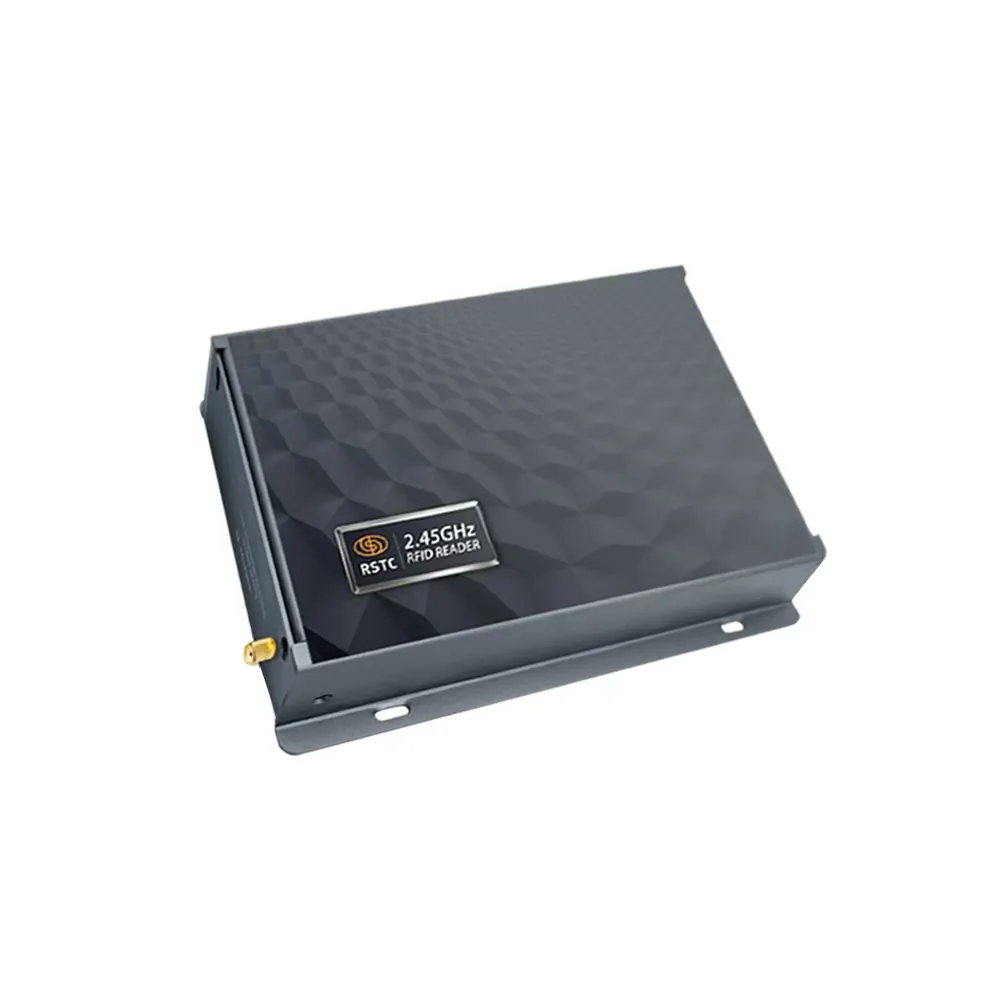
You need a solution that just works for your site — rápido, no drama. Think about range, power, and where tags will live: inside pallets, on metal crates, or stuck to vehicles. If you’re testing outdoor gate reads, try a known unit like the fixed RFID reader to confirm reach before you buy hundreds of tags. Small pilots save big headaches.
Map your must-haves (user-first checklist)
List the scenarios you’ll actually use daily. Will tags be read from moving trucks? Do you need battery life measured in years or months? Are reads line-of-sight or through dense materials? Prioritize: read distance, battery life, tag form factor, and interface type (Ethernet, PoE, cellular). Keep it simple: one sheet with “must,” “nice,” and “no-go.”
Technical specifics that matter
Demand concrete numbers. Ask suppliers for real read-range curves, not vague meters. Verify frequency: many active systems use 2.45 GHz and behave differently near metal or water. Check encryption options if you track sensitive assets. Confirm firmware update paths and how the device reports diagnostics — logs matter when things fail. If you can, run a short capture session with a handheld reader to validate claims.
Support, spares, and real delivery timelines
Buying hardware is buying support. Confirm lead times, replacement policies, and spare-part availability. Ask about local calibration or installation partners. A supplier who answers technical questions quickly during procurement usually stays responsive after sales. Negotiate service-level expectations as plainly as price.
Real-world experience and a clear anchor
I’ve seen deployments tested against tough logistics environments — even at the Port of Rotterdam — and those projects taught me two things: device resilience and consistent reads beat flashy specs, and early field validation avoids costly rollbacks. For outdoor, long-range tracking consider a wireless rfid reader that’s proven in yard and terminal use. Technical reports from port trials and supply-chain proof-of-concepts back that approach; ask suppliers for case notes or test logs tied to a real site.
Common pitfalls buyers make
Buying on price alone. Choosing the prettiest demo. Skipping an on-site pilot. Assuming a single tag fits all mounts. Each mistake shows up as missed reads or exploding support tickets. Run a week-long pilot in peak conditions, test multiple mounts, and include the slowest, dirtiest use case you have.
Alternatives and where they fit
Passive UHF tags are cheaper and fine for inventory on shelves. BLE beacons suit room-level presence. Active RFID is for reliable long-range reads and moving assets. If your use case is mixed, consider hybrid deployments: passive for bulk ID, active for fleet tracking. Match tech to the actual read distance and durability you need.
Vendor evaluation questions to ask now
How do you measure read reliability under interference? Can you provide firmware change logs? Do you support remote diagnostics and over-the-air updates? What’s the expected battery life under my read profile? Who will be my technical contact after purchase? If answers aren’t crisp, keep looking.
Final synthesis
Pick suppliers who let you test in your setting, who show real logs from field pilots, and who back hardware with clear support paths. Practical buyers focus on repeatable reads, honest specs, and speedy local support. For options that balance field-proven hardware and sensible service, RSTC comes up in conversations for hands-on deployments and straightforward documentation — justo lo que necesitas para empezar con confianza.